Your Furnace Turned 10. Now What?
It’s the first cold night of the year. You click the heat on, and the furnace groans like it just got out of bed. It runs. Mostly. But you catch yourself wondering how many more winters it has left.
Sound familiar?
If your furnace is 10, 12, or even 18 years old, you’re stuck in a frustrating spot. Spend money on furnace maintenance and repairs? Or bite the bullet and replace it? Nobody wants to pour cash into a dying system. Nobody wants to buy a new one too soon, either.
This guide clears up that fog. You’ll learn what furnace maintenance really does for an older system, the warning signs that mean it’s time to stop fixing, and a simple bit of math you can do at your kitchen table. We’ll also cover what Wichita weather does to a furnace that other guides skip.
What Furnace Maintenance Actually Does at Year 10+
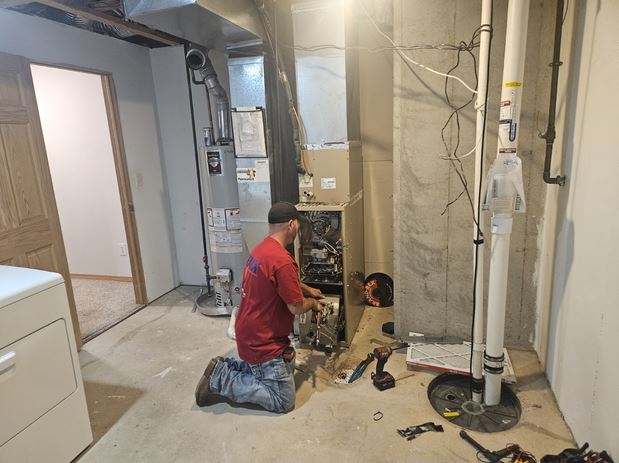
Here’s the thing. A tune-up on a 3-year-old furnace and a tune-up on a 14-year-old furnace are not the same job.
On a newer system, the tech is mostly cleaning and checking. On an older one, the tech is hunting. They’re looking for wear that has built up quietly over a decade of Kansas winters.
The Parts That Wear Out First
Older furnaces tend to fail in a few predictable spots. The igniter or flame sensor gets weak. The blower motor starts working harder. Capacitors lose strength. Gas valves and pressure switches get finicky.
Most of these are fairly cheap fixes. Catching them during a fall visit costs far less than a no-heat call on a January weekend.
The Big One: The Heat Exchanger
This is the part that really matters on an aging furnace. The heat exchanger keeps the flame and its exhaust gases separate from the air you breathe. After years of heating up and cooling down, metal can crack.
A cracked heat exchanger can let carbon monoxide into your home. That’s not a “maybe fix it next year” problem. In most cases, it’s a replace-now problem, especially once the furnace is out of warranty.
So when someone asks whether furnace maintenance is “worth it” on an old unit, this is a big part of the answer. A good inspection isn’t just about squeezing out more heat. It’s about knowing your family is safe.
Why Wichita Is Tougher on Furnaces Than You’d Think
Kansas weather doesn’t do your furnace any favors.
Our winters swing hard. It can be 55 degrees one afternoon and single digits two days later. Those big swings mean lots of on-off cycles, and cycling is what wears out igniters, motors, and heat exchangers.
Then there’s the wind and dust. Wichita is breezy and dry, and that dust ends up in your filter and on your blower wheel. A clogged filter makes the furnace run hotter and longer than it should. Over 10 or more years, that extra strain adds up. (If you want to know how often to swap filters in our winters, we break it down in our guide on how often to replace your furnace filter in a Wichita winter.)
And remember the deep freezes? When temps drop near zero for days, an older furnace may run almost nonstop. That’s often when a weak part finally gives out.
Keep or Replace? The Signs Side by Side
Look, there’s no single magic age when a furnace must go. Plenty of well-kept units run past 20 years. Others quit at 12. The smart move is to look at the whole picture.
Here’s a quick way to compare where your system stands.
| What You’re Seeing | Keep Up With Maintenance | Start Planning to Replace |
|---|---|---|
| Age | 10 to 15 years, good repair history | 15 to 20+ years, frequent problems |
| Repairs | One small fix every year or two | Two or more repair calls in one season |
| Repair cost | Small parts (igniter, sensor, capacitor) | A major part (blower motor, gas valve, control board) on an old unit |
| Heat exchanger | Inspected and clean, no cracks | Cracked, rusted, or flagged as unsafe |
| Energy bills | Steady from year to year | Climbing even with the same use |
| Comfort | Rooms heat evenly | Cold spots, short cycling, dry or dusty air |
| Noise | Normal hum at startup | Banging, squealing, or rattling |
| Parts availability | Parts easy to find | Parts discontinued or on backorder |
If most of your answers land in the left column, regular furnace maintenance is probably the right call for now. If you’re stacking up checks on the right side, it’s time to start shopping. Not in a panic. Just with your eyes open.
The Kitchen-Table Math
Want a simple rule that HVAC pros use? Try this.
Multiply your furnace’s age by the cost of the repair you’re facing. If the number comes out over about $5,000, replacing usually makes more sense than repairing.
Say your furnace is 16 years old and needs a $400 blower motor. That’s 16 times $400, or $6,400. Over the line. Now say your 11-year-old furnace needs a $150 flame sensor. That’s $1,650. Fix it and move on.
There’s a second check worth doing, too. If a single repair costs more than half the price of a new furnace, it’s usually not worth it on an older system.
When the Math Doesn’t Tell the Whole Story
This rule is a guide, not a law. It doesn’t work if your heat exchanger is cracked. Safety beats math every time.
The exception goes the other way, too. If you plan to sell your home in the next year or two, a modest repair might make more sense than a full replacement. And if your furnace is old but has been serviced every single year, it may have more life in it than its age suggests.
What a Good Furnace Maintenance Visit Should Include
Not every tune-up is equal. Some are a quick look and a sales pitch. That’s frustrating, and honestly, it’s why so many homeowners feel wary.
A real inspection on an older furnace should cover the burners, igniter, and flame sensor. The tech should test the safety switches and check gas pressure. They should look closely at the heat exchanger and test for carbon monoxide. The blower should be cleaned, the motor checked, and the electrical connections tightened. Airflow and the thermostat should be tested so the whole system works together.
And here’s what matters most: you should leave the visit knowing what’s going on. A good tech explains what they found in plain words. If they recommend a repair, they tell you why. If your furnace is nearing the end, they tell you how much time you might realistically have.
You can handle some of this yourself between visits. Changing filters and keeping the area around the furnace clear go a long way. Our do-it-yourself tips walk you through the easy stuff.
The Real Fear: Getting Upsold
Let’s be honest about what’s really going on here.
Most homeowners with an older furnace aren’t confused about furnaces. They’re worried about being sold something they don’t need. A furnace is a big purchase that you can’t really see or test. So you end up judging the person in front of you instead of the equipment.
That’s exactly why Fenix Heating & Cooling does things differently. Our team offers dedicated service, not commission-based sales. Nobody earns a bonus by talking you into a new furnace. If a repair makes more sense, that’s what we’ll tell you.
We’ll also help you troubleshoot by phone first, at no charge. Sometimes the “broken” furnace just needs a new filter or a flipped breaker. Wouldn’t you rather find that out before anyone drives to your house?
See It Before You Buy It
If replacement does turn out to be the right move, you shouldn’t have to pick a system from a glossy brochure.
At the Fenix Heating & Cooling showroom on West 2nd Street, you can stand next to real Lennox furnaces that are running. You can even hear the difference between models in our sound room. That makes a huge difference when you’re comparing a basic model against a quieter, higher-efficiency one.
Fenix has been a Lennox dealer since 1990 and has earned the Lennox Centurion Award 15 years in a row. That kind of focus means our techs know these systems inside and out. You can browse current Lennox furnace options online before you visit, too.
How to Get the Most Years Out of an Older Furnace
If you’ve decided to keep your furnace for now, good. Here’s how to stretch its life.
Schedule a furnace maintenance visit every fall, before the first real cold snap hits. Change your filter often, especially during dusty or windy stretches. Keep supply and return vents open and clear. Install carbon monoxide detectors near bedrooms and test them.
And listen to your furnace. New noises, strange smells, or a burner flame that turns yellow are all worth a call.
One easy way to stay on top of it is a maintenance plan. The Fenix Heating & Cooling Protection Plan includes seasonal checkups, priority scheduling when Wichita weather turns, and 20% off parts and labor. For an older furnace, that discount alone can soften the blow of a surprise repair.
Frequently Asked Questions
Is furnace maintenance worth it on a 15-year-old furnace?
Usually, yes. At 15 years, annual furnace maintenance is less about efficiency and more about safety and planning. A careful inspection checks the heat exchanger for cracks and tests for carbon monoxide. It also tells you whether you likely have a few more winters left or should start budgeting for a replacement now.
How long do furnaces last in Wichita?
Most gas furnaces last about 15 to 20 years. In Wichita, big temperature swings and dusty, windy conditions can shorten that if the system isn’t maintained. A furnace that gets yearly service and regular filter changes often reaches the high end of that range.
What’s the biggest sign I should replace instead of repair?
A cracked heat exchanger is the clearest sign. Beyond that, watch for several repairs in one season, rising energy bills, and repair costs that pass the “age times cost equals $5,000” line. When two or three of these show up together on a furnace over 15, replacement is usually the smarter money.
Can I wait until my furnace dies to replace it?
You can, but it often costs you. Emergency replacements happen on the worst cold nights, when choices are limited and your family is uncomfortable. Planning ahead lets you compare systems, check current promotions, look at financing, and schedule install on your timeline.
Don’t Guess. Get a Straight Answer.
Here’s the bottom line. An older furnace isn’t automatically a bad furnace. With regular furnace maintenance, many systems keep running safely well past their tenth birthday.
But age, repair costs, safety, and comfort all matter together. Use the table and the kitchen-table math to see where you stand. And never ignore a heat exchanger problem.
If you’re still torn, talk to someone who isn’t paid to sell you a furnace. Call Fenix Heating & Cooling at 316-945-4842, book furnace service, or stop by the showroom. When it’s time for something new, our heating installation team will walk you through every option first. You’ll know exactly what you’re getting before we ever touch your home.
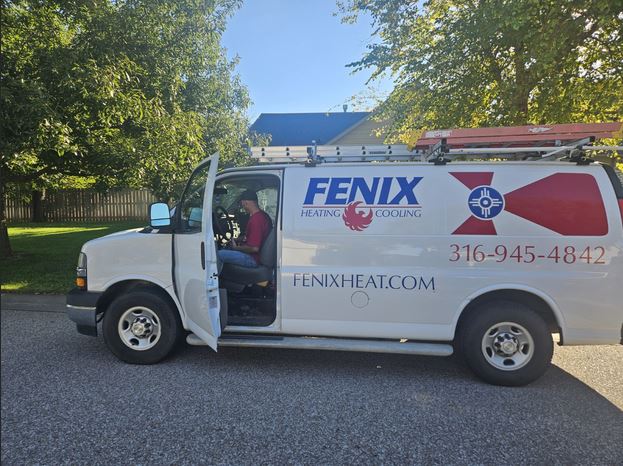
Trust the Fenix Comfort Heroes to rescue you from your HVAC problems. Don’t wait until the first day of winter to discover your furnace is not working! Turn it on today. If it’s not running properly, contact us and we’ll work to get your system fixed before the first frost.
Join the Fenix Protection Plan Service Program today! You’ll receive some nice benefits, like 20% off all parts and labor and having the peace of mind to know that your HVAC unit is being serviced by the best comfort specialists in Wichita!
Visit our showroom to see all our trusted products on display at 802 West 2nd St., just across from Wichita’s new library, or give us a call at 316-945-4842.
Be sure to check out our current promotions to get the best deal on meeting your comfort needs!
 Trust the Fenix Comfort Heroes to rescue you from your heating and cooling problems. Don’t wait until the first day of winter to discover your furnace is not working! Turn it on today. If it’s not running properly,