
Your Gas Bill Went Up Again. Is Your Furnace to Blame?
You open the gas bill in January. You blink. Then you check last year’s bill, just to be sure you’re not losing your mind.
Sound familiar?
If your furnace has been running for 10 years or more, there’s a good chance it’s working harder than it used to. It’s burning more gas to make the same heat. And it’s doing it quietly, a little at a time, so you never notice until the bill shows up.
Here’s the thing. That slow slide isn’t always a sign you need a new furnace. Often, it’s a sign of skipped or rushed furnace maintenance. In this guide, you’ll learn how to tell whether your furnace is actually losing efficiency, what a real tune-up fixes on an older system, what you can safely do yourself, and when it’s smarter to stop fixing and start shopping.
The Slow Leak You Can’t See
Older furnaces rarely quit all at once. They fade.
A filter clogs a bit more each week. A burner collects a thin layer of dust and rust. A blower motor drags because its wheel is caked with grime. None of these problems makes a loud noise. But each one makes your furnace run longer to reach the temperature on your thermostat.
Longer run times mean more gas. More gas means a bigger bill. It’s frustrating, because you’re paying more for the same comfort, and nothing seems “broken.”
Why Wichita Is Hard on Furnaces
Kansas winters aren’t gentle. We get long cold snaps, sudden temperature swings, and plenty of wind that pushes dust into every crack of a house. That dust ends up in your return vents and, eventually, in your furnace.
Add in the fact that many Wichita homes, especially in older neighborhoods, have leaky ductwork and original systems. Put it together and you’ve got a furnace that’s breathing dirty air and fighting drafts all season long.
How to Tell If Your Furnace Is Really Losing Efficiency
Look, comparing this year’s bill to last year’s bill in dollars doesn’t tell you much. Gas prices change. One winter is colder than the next. You might be comparing apples to snowballs.
Want to know the trick our comfort specialists use?
Check the usage, not the price. Your Kansas Gas Service bill lists how much gas you used, measured in therms or CCF. Line up the same month from the past two or three winters. Then look up how cold each of those months was (the National Weather Service publishes “heating degree days” for Wichita, which is a simple way to measure how cold a month was).
If you used noticeably more gas in a month that wasn’t any colder, your furnace is likely losing ground. That’s a real signal, not a guess.
Other Warning Signs Worth Noticing
Your furnace may be telling you something if it starts and stops more often than it used to. Rooms that never quite warm up are another clue. So is a burner flame that looks lazy and yellow instead of crisp and blue.
Dust that builds up faster than usual, a new rattle or squeal, or a furnace that runs and runs without shutting off all deserve a closer look. One by one, they’re small. Together, they add up to wasted gas.
What Real Furnace Maintenance Includes (And What Gets Skipped)
Not every “tune-up” is the same. Some are a quick filter swap and a sticker on the cabinet. That’s not what an aging furnace needs.
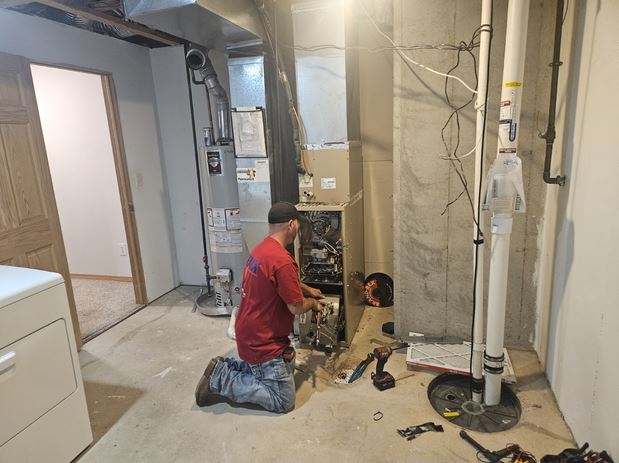
A thorough furnace maintenance visit on a 10+ year-old system digs into the parts that wear out with age. Here’s what should be checked and why each step matters for your gas bill.
| Maintenance Task | What It Fixes | Why It Matters for Older Furnaces | Effect on Your Gas Bill |
|---|---|---|---|
| Replace or check air filter | Restricted airflow | Older blowers struggle more against a dirty filter | Shorter run times, less wasted gas |
| Clean burners and check flame | Incomplete combustion | Rust and dust build up over the years | More heat from every unit of gas |
| Clean flame sensor | Short cycling and shutdowns | Sensors coat over time and misread the flame | Fewer wasted start-up cycles |
| Inspect heat exchanger | Cracks and carbon monoxide risk | Metal fatigue grows with age | Safety first; also flags replace-or-repair timing |
| Clean blower wheel and check motor | Weak airflow, overheating | Grime adds drag to aging motors | Less electricity and faster warm-ups |
| Test gas pressure | Over- or under-firing | Settings can drift over the years | Furnace burns the right amount of gas |
| Check thermostat calibration | Wrong temperature readings | Older thermostats lose accuracy | Stops overheating your home |
| Inspect venting and draft | Exhaust problems | Flues can rust, sag, or get blocked | Safer, steadier operation |
That heat exchanger check deserves extra attention. It’s the part that keeps combustion gases separate from the air you breathe. On older furnaces, it’s the first thing a good technician looks at. A crack doesn’t just hurt efficiency. It can put your family at risk, which is why carbon monoxide detectors near bedrooms aren’t optional.
What You Can Do Yourself This Weekend
Good news. Some furnace maintenance is easy, cheap, and totally safe for homeowners.
Start with the filter. In a Wichita winter, a standard 1-inch filter often needs changing every month or two, especially if you have pets or a lot of dust. Our guide on how often to replace your furnace filter in a Wichita winter walks through the details, and you can compare air filter options if you’re not sure which one fits your system.
Next, walk through your house. Make sure supply vents and return grilles aren’t blocked by rugs, couches, or that stack of boxes in the guest room. A furnace can’t heat what it can’t reach.
Then check the area around the furnace. Keep it clear of storage, laundry, and anything that burns. It sounds basic, but it matters.
Where DIY Stops
This is where you draw the line. Don’t take apart burners, adjust gas pressure, or poke around the heat exchanger. Those jobs need tools, training, and a combustion analyzer most homeowners don’t own.
If you’re curious about other simple checks, our do-it-yourself tips page covers the safe stuff. And here’s something many people don’t know: at Fenix Heating & Cooling, our in-office experts will help you troubleshoot over the phone for free. Sometimes a tripped switch or a thermostat setting is the whole problem, and you don’t need a service call at all.
The Repair-or-Replace Question Nobody Wants to Ask
Let’s be honest. If your furnace is 15 or 20 years old, there’s a nagging worry in the back of your mind. What if the technician says it’s time for a new one?
You might feel overwhelmed by that. A new furnace is a big purchase, and it’s hard to judge something that sits in a dark corner of your basement. Plenty of homeowners put off maintenance just to avoid hearing bad news.
But here’s what matters. Skipping maintenance doesn’t stop the aging. It just hides it until something fails on the coldest night of the year.
A Simple Rule of Thumb
Many people in our trade use a quick test. Multiply your furnace’s age by the cost of the repair. If the answer is over about $5,000, replacement usually deserves a serious look. A 16-year-old furnace with a $350 repair comes out to $5,600, for example.
It’s not a hard law. The exception is a furnace that’s been well maintained and still has a healthy heat exchanger. Some of those keep going strong for years. That’s exactly why a detailed inspection is worth more than a guess.
The Efficiency Gap Is Real
Many furnaces installed 15 to 20 years ago were rated around 80% AFUE, meaning about 80 cents of every gas dollar becomes heat. Today’s high-efficiency models can reach the mid-to-upper 90s. And an older furnace that’s been neglected may not even hit its original rating anymore.
That gap is the reason some homeowners feel relieved, not upset, when they finally replace. Lower bills start the very first winter. If you want to explore options, our heating installation page explains how we size and install new systems.
Why Advice Without a Sales Pitch Changes Everything
Here’s the fear we hear most: “I don’t want to get upsold.”
That’s fair. It’s why our advisors at Fenix Heating & Cooling aren’t paid on commission. When we tell you a $200 heating repair will buy you several more good winters, nobody loses a paycheck for saying so. And when we say replacement makes more sense, you’ll get a plain reason you can repeat to your spouse at the kitchen table.
We’ve been doing this in Wichita since 1988. We’ve focused on Lennox equipment since 1990, and we’ve earned the Lennox Centurion Award 15 years in a row. Many of our technicians have been with us for more than a decade. That kind of tenure means they’ve seen how Wichita furnaces age, and they know what to look for.
See It Before You Buy It
If replacement does come up, you don’t have to decide from a brochure. Our showroom at 802 W 2nd St. has real, running Lennox systems you can see and touch. You can even step into our “Hear the Difference” sound room and compare how quiet today’s equipment is next to what you’re living with now.
It’s a lot easier to make a big decision when you can stand next to the thing you’re buying.
Make Maintenance Automatic
Most people mean to schedule a tune-up. Then life happens, and suddenly it’s January and the furnace is making a new noise.
The Fenix Protection Plan takes that off your plate. Members get priority scheduling when Wichita’s weather turns ugly and everyone’s calling at once. You also get 20% off parts and labor on repairs. For an older furnace, that discount can add up fast.
Fall checkups for plan members need to be finished by December 31, so now’s the time to get on the calendar.
Frequently Asked Questions
How often does a 10+ year-old furnace need professional maintenance?
Once a year, ideally in early fall before heavy use. Older furnaces benefit most because worn parts, like flame sensors and heat exchangers, change faster with age. Waiting until the first cold snap means competing with every other Wichita homeowner for an appointment.
Can furnace maintenance actually lower my gas bill?
Yes, when the furnace has lost efficiency from dirt, poor airflow, or drifting gas pressure. Cleaning burners, fixing airflow, and correcting settings help the furnace turn more of its gas into heat. Maintenance can’t turn an 80% furnace into a 95% furnace, though. It restores what’s been lost.
How do I know if my higher bill is the furnace or just gas prices?
Compare gas usage (therms or CCF) on your bills, not dollars. Match the same months across several winters and account for how cold each month was. If usage rose without colder weather, your furnace is likely the culprit.
Is it worth maintaining a furnace that’s 18 or 20 years old?
Often, yes, at least until you’ve made a plan. A thorough inspection checks the heat exchanger for safety and shows how much life is left. It also gives you time to compare replacement options calmly instead of making a rushed choice during a breakdown.
Warm House, Smaller Bill, Fewer Surprises
An aging furnace doesn’t have to mean rising bills and winter anxiety. Track your gas usage, not just your costs. Change your filter more often than you think you need to. And get a real tune-up that checks the parts older furnaces wear out first.
If the time comes to replace, make that choice with clear facts and honest advice, not pressure.
Not sure where your furnace stands? Call Fenix Heating & Cooling at 316-945-4842 or reach out online. We’ll help you troubleshoot by phone first, then schedule a furnace maintenance visit that gets you through this Wichita winter with a lot less worry.
Trust the Fenix Comfort Heroes to rescue you from your HVAC problems. Don’t wait until the first day of winter to discover your furnace is not working! Turn it on today. If it’s not running properly, contact us and we’ll work to get your system fixed before the first frost.
Join the Fenix Protection Plan Service Program today! You’ll receive some nice benefits, like 20% off all parts and labor and having the peace of mind to know that your HVAC unit is being serviced by the best comfort specialists in Wichita!
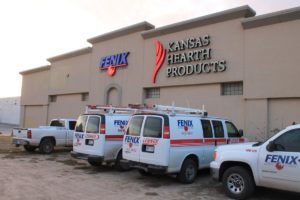
Visit our showroom to see all our trusted products on display at 802 West 2nd St., just across from Wichita’s new library, or give us a call at 316-945-4842.
Be sure to check out our current promotions to get the best deal on meeting your comfort needs!
 Trust the Fenix Comfort Heroes to rescue you from your heating and cooling problems. Don’t wait until the first day of winter to discover your furnace is not working! Turn it on today. If it’s not running properly,